
SEO Guide
Local SEO vs Traditional SEO: What's the Difference?
Geographic vs national intent, Map Pack vs organic, and which approach fits your business model. A decision framework for Malaysian businesses.
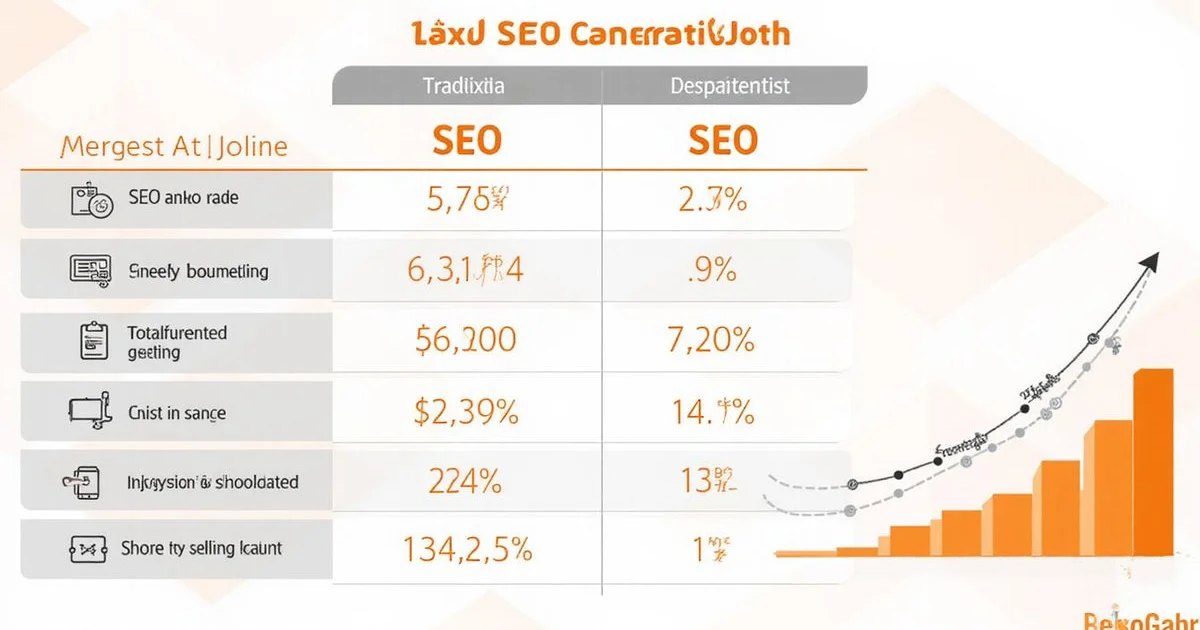
We see this mismatch constantly at Adam SEO, where our focus since 2011 has been driving tangible business outcomes instead of empty rankings. Choosing between local seo vs traditional seo often sounds like a minor scaling decision, but it actually dictates which parts of Google’s algorithm you trigger.
Our team has found that choosing the wrong primary focus is the main reason marketing engagements under-deliver. Companies end up paying for the wrong digital strategies entirely.
We will break down the practical differences between these two approaches, explore when each one makes sense, and map out exactly how to combine them — and where our Local SEO service fits in. This evergreen guide provides the foundational knowledge needed to make the right investment.
What each one targets
Local SEO zeroes in on buyers searching with explicit geographic intent (“plumber Kuala Lumpur”) or implicit proximity (“plumber near me”). Traditional SEO focuses on buyers searching without a specific location in mind, or those using broader terms (“best Shopify SEO agency”, “what is technical SEO”).
The absolute most valuable real estate for local searches is the Map Pack, which displays three local listings alongside a map directly at the top of the search results page. We track these metrics closely, and recent 2026 data shows that 46% of all Google searches carry local intent. Ranking in that top tier gives you access to a massive chunk of ready-to-buy customers. Local SEO also pushes businesses higher in the organic results right below that Map Pack.
The prize for traditional SEO is the standard organic results from position one through ten. We increasingly see these broader searches triggering AI Overview citations that pull from this same pool of top-ranking national content.
These two distinct approaches share foundational work like technical health, content quality, and link authority. The paths diverge significantly in the specific daily tactics used and the exact algorithm signals each layer reinforces.
Signal differences
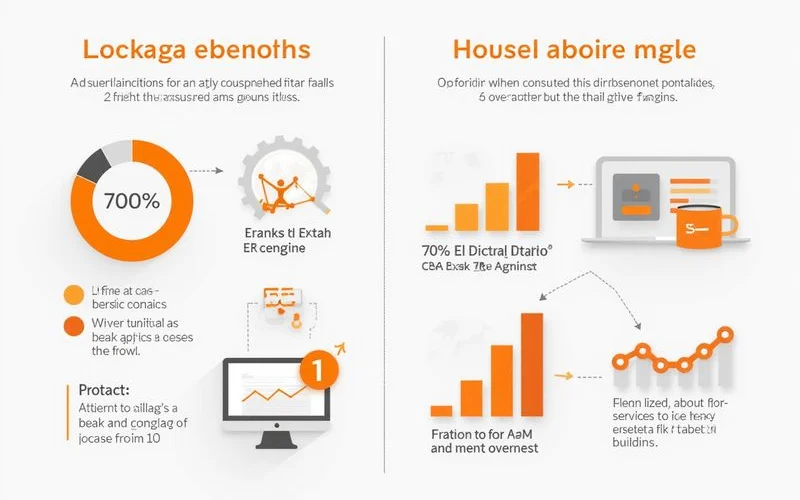
Google weights completely different factors depending on whether a search requires a local or national answer.
Local SEO weights heavily on:
- Google Business Profile (GBP) completeness and active management.
- Review velocity over a 90-day period (rather than just total historical volume).
- Name, Address, and Phone (NAP) consistency across Malaysian citations like Yelp Malaysia, Foursquare, and local directories.
- Physical proximity to the searcher’s mobile device.
- LocalBusiness schema markup on your website.
- Hyper-local link sources from regional press, community chambers, and local blogs.
Traditional SEO weights heavily on:
- Deep, original content that proves topical authority.
- High-quality backlinks from globally authoritative domains.
- Site architecture and clear internal linking structures.
- Core Web Vitals and advanced technical hygiene.
- Article and Service schema markup implementation.
- Brand mentions across major industry publications.
We know that some signals matter universally, such as site speed, mobile usability, and overall content quality. Other signals are highly specialized. Map Pack ranking remains almost entirely invisible to traditional SEO efforts, and your nationwide organic ranking is barely touched by updating your Google Business Profile. A recent 2026 update even showed that leaving a profile without fresh photos or updates for 30 days begins to noticeably degrade local visibility.
Our experience proves that treating these completely different signal groups as a single campaign often leads to failure. Successful companies isolate the metrics that actually drive their specific revenue model.
Which fits which business model
Your ideal business model dictates the right optimization path based on your primary customer acquisition channel. We always tell clients to look at their geographic revenue data first before spending a single Ringgit. This simple evaluation reveals whether local vs national seo offers the best return on investment.
| Business Focus | Local SEO Leads When… | Traditional SEO Leads When… |
|---|---|---|
| Revenue Source | Most revenue comes from buyers within a specific radius (e.g., Klang Valley). | Sales come from national or international buyers. |
| Physical Presence | You operate a physical storefront or a defined service area. | Operations are primarily online without location dependencies. |
| Search Behavior | Buyers heavily use “near me” or specific city-name queries. | Buyers research broadly across multiple comparison terms. |
| SERP Features | Industry commercial queries consistently trigger a Map Pack. | Commercial queries only show standard organic links. |
| Competition | You compete directly against other local neighborhood businesses. | You compete against large national or international brands. |
Typical examples of seo for local business include dentists, lawyers, restaurants, plumbers, electricians, gyms, repair services, and salons.
Traditional examples cover SaaS companies like Dropee, e-commerce giants, B2B services with national reach, online education platforms, and digital product creators.
When both matter
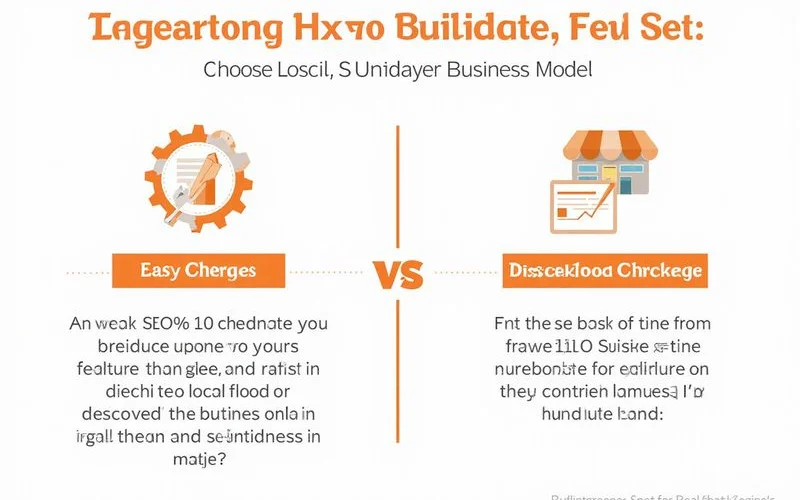
Many growing businesses actually sit right in the middle and require a hybrid approach. Multi-location enterprises or brands with both physical and digital sales channels must balance these strategies.
Multi-location healthcare networks
Every individual clinic location needs dedicated local optimization to capture nearby patients. The broader corporate brand simultaneously requires traditional SEO to rank for non-location informational queries, like “what is invisalign” or “best orthodontist in Malaysia”. We treat these as parallel workstreams that share a technical foundation. Parallel tracking ensures that both local and national visibility grow without cannibalizing each other.
E-commerce with physical retail presence
Online sales generate revenue from traditional SEO targeting specific product and category queries. Physical store sales rely heavily on local SEO capturing foot traffic from “near me” searches. Our approach allocates financial investment proportional to each channel’s overall revenue contribution. Both channels require distinct measurement frameworks to accurately assess their performance.
Regional B2B agencies
A digital marketing agency based in Kuala Lumpur ranks locally for “marketing agency KL” while competing nationally for “best b2b marketing Malaysia”. Executing regional seo malaysia correctly captures buyers searching with immediate geographic intent. Meanwhile, traditional SEO captures decision-makers conducting broader research at the enterprise level.
Our Local SEO service and Technical SEO service frequently run together for clients sitting in this middle category. These dual frameworks share the same website infrastructure but require very different priorities at the daily tactical level.
How to decide your primary focus
Three straightforward questions usually settle the debate over where to allocate your resources.
- Where does your revenue actually come from? Pull your customer data from the last 12 months. If 80% or more of your buyers originate from within a defined Malaysian state or city, local optimization is your clear priority. Traditional SEO leads the way if your revenue is geographically scattered across the country.
- What do your top three commercial keywords trigger? Search these terms on Google yourself. If a Map Pack appears, local SEO offers the highest leverage because 2026 data shows that businesses in the Local Pack secure a 40% higher click-through rate. Traditional SEO is the correct play if only standard organic results populate the page.
- What does your competition look like? Local SEO is your battlefield if your main rivals are nearby businesses with active Google Business Profiles. Traditional SEO becomes the battleground if your competitors are national entities with massive content marketing budgets.
We find the answer is rarely a perfect 50/50 split. Most organizations lean clearly in one direction and should weight their marketing budget accordingly to see actual returns.
The trap of doing neither well
The most common mistake we encounter is companies splitting their budget too thinly across both strategies and failing at both. A half-funded local campaign simply cannot generate the momentum needed to break into the highly competitive Map Pack.
Similarly, a half-funded traditional campaign will never build enough topical authority to outrank established national competitors. Our market research for 2026 indicates the average SEO retainer in Malaysia sits around RM3,000 per month. Spreading a budget like that across two entirely different strategic goals guarantees mediocre results.
You are much better off picking a single primary focus and funding it fully to achieve dominance. We strongly advise adding the secondary strategy only once your initial investment starts generating new revenue. This phased approach protects your cash flow while building a sustainable digital footprint.
Where to start
A structured discovery audit is the best first step if you remain uncertain about which approach fits your exact business model. We carefully evaluate your historical revenue mix, test your top commercial keywords, and map out your true competitive landscape. The audit process provides absolute clarity before you commit to a long-term strategy.
Our team then recommends a primary focus backed by honest, data-driven reasoning. From there, you can confidently decide whether to engage one or both approaches as part of a dedicated retainer. Fully funded, targeted campaigns always outperform fragmented efforts.
We look forward to helping you clarify your strategy and capture the market share you deserve. Take a close look at your data today, and make the choice that aligns with your actual revenue goals.