
SEO Guide
What Are AEO and GEO?
Plain-language explanation of Answer Engine Optimization and Generative Engine Optimization for Malaysian businesses preparing for AI search.
Our team hears the same concern from Malaysian marketing directors every week about vanishing organic clicks. Buyers now get their answers directly from AI summaries without ever visiting a website.
This shift means your business either becomes the cited authority or disappears into the background.
We know exactly how frustrating it is to lose traffic on keywords you worked hard to rank for. The following guide breaks down what Answer Engine Optimization (AEO) and Generative Engine Optimization (GEO) involve and how to adapt. For execution, see our AI Search Optimization service.
The shift from search to answer
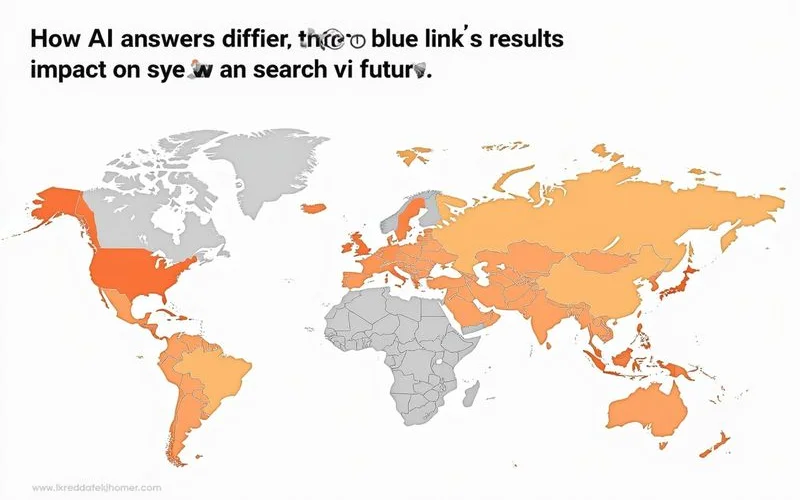
Traditional Google search returns a ranked list of links, but AI-powered search returns a synthesized, direct answer. Buyers read this answer in place, meaning brand mentions and citations are the new currency for visibility.
We have watched this transition fundamentally alter how Malaysian consumers discover local businesses. A 2026 study by Stackmatix revealed that 58% of all search result pages now feature an AI Overview right at the top. This massive rollout reduces traditional click-through rates drastically.
Our data confirms that relying solely on old SEO tactics leaves you invisible during the crucial research phase.
Local adoption of these tools is staggering. Recent market data shows ChatGPT usage in Malaysia spiked by 330% heading into 2026.
We see users skipping Google entirely to ask chatbots for product comparisons and vendor recommendations. Here is how the shift impacts your traffic:
- Zero-click searches multiply: Users get the answer immediately and never click your link.
- Citation replaces position: Being referenced as the source matters more than holding the number one blue link.
- Brand trust accelerates: When an AI engine names your business directly, buyers treat it as an objective recommendation.
The difference between AEO and GEO
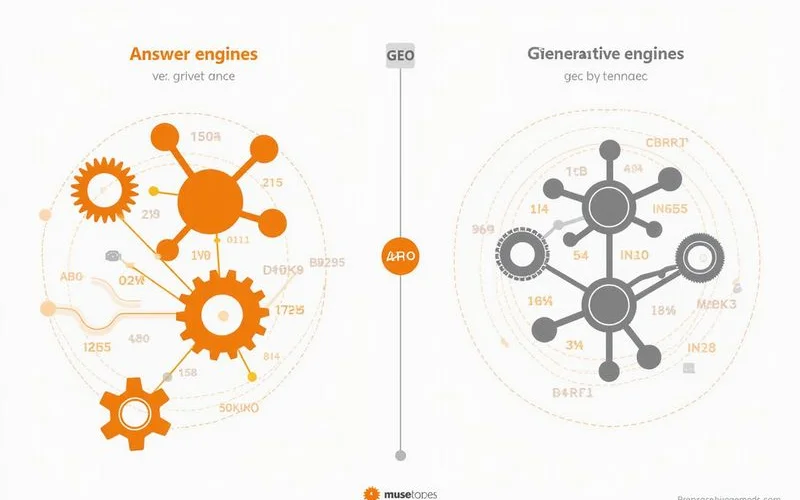
Answer Engine Optimization (AEO) targets dedicated AI chatbots, while Generative Engine Optimization (GEO) focuses on AI features built into traditional search engines. These two disciplines require slightly different tactics but share a massive 70% to 80% overlap in execution.
We approach them as a unified strategy because buyers fluidly switch between both environments. Dedicated answer engines synthesize responses entirely from web sources without relying on traditional search infrastructure. These platforms have their own citation behaviors and source preferences.
Our strategy always accounts for these unique algorithms to ensure maximum coverage. AEO platforms include:
- Perplexity (highly dependent on citation-based answers and Reddit discussions)
- ChatGPT search (often references Wikipedia and authoritative news sites)
- Claude with web access
- You.com and Kagi
Generative Engine Optimization (GEO) targets:
- Google AI Overviews (formerly SGE, appearing on up to 60% of commercial queries in Malaysia)
- Bing Copilot
- Future Google features integrating deeper AI responses
We use a simple framework to separate the two. AEO means getting quoted verbatim by an independent chatbot, while GEO means being recalled by a search engine’s internal model. The table below clarifies the core distinctions.
| Feature | Answer Engine Optimization (AEO) | Generative Engine Optimization (GEO) |
|---|---|---|
| Primary Target | ChatGPT, Perplexity, Claude | Google AI Overviews, Bing Copilot |
| Core Mechanism | Independent LLM synthesis | AI layered over traditional search index |
| Success Metric | Citation frequency in chat outputs | AI visibility score on the search page |
What both disciplines have in common
Both AEO and GEO require content that AI models can easily extract, verify, and understand. They rely on clean technical foundations and clear entity authority to build confidence in your brand.
We prioritize structured data because AI engines lean heavily on it for topic identification. This foundational work creates a multiplier effect across all search platforms.
The most impactful tasks for combining both disciplines include specific structural and technical updates. We focus on these core areas to drive immediate results for clients:
Structured Content and Direct Answers
Clear H1 and H2 hierarchy is mandatory for machine readability. Question-shaped headings perform exceptionally well when you place a direct, factual answer within the first 100 words of the section.
AI engines extract these concise passages much faster than long, winding introductions. Our writers strictly enforce this format to increase citation rates.
Schema Markup and Entity Authority
Correctly implemented schema markup translates your content into a language AI natively understands. You must go beyond basic Article schema and deploy Product, FAQ, Organization, and LocalBusiness markup. Your brand must also exist clearly in the Knowledge Graph with consistent name, address, and phone number data.
We actively build third-party citations and reference profiles to solidify this digital footprint. Multi-source verification is critical because AI models prefer citing sources that other trusted sites already reference.
E-E-A-T and Conversational Content
Author bylines require verifiable credentials to satisfy Google’s Experience, Expertise, Authoritativeness, and Trustworthiness (E-E-A-T) guidelines. We ensure every claim is backed by transparent methodology and expert sources.
A 2026 Conductor benchmark report proves that AI search heavily favors domains with these strong authority signals. Pages must also answer questions in the exact conversational formats buyers use. Our content updates often involve stripping away corporate jargon to match natural language queries.
What works in AEO that does not work in traditional SEO
Answer Engine Optimization rewards extreme conciseness and structured formatting far more than traditional SEO. While Google’s classic algorithm might reward a massive 2,000-word guide for its depth, a chatbot prefers a fast, definitive answer.
We regularly see highly structured, shorter pages outperform long-form essays in AI citations. HubSpot’s 2026 State of Marketing report noted that AI-referred visitors convert at 58% higher rates precisely because they get immediate clarity. Providing this clarity requires a specific editorial approach.
Our editing process focuses strictly on formatting for machine extraction. Here are specific tactics that trigger AEO success but do little for traditional rankings:
- Aggressive conciseness: Get straight to the point in two or three sentences before expanding.
- Data-dense tables: Build comparison tables displaying prices, features, or benchmarks, as AI engines pull these directly.
- Original statistics: Inject unique, verifiable numbers into your text to become the primary cited source.
- Numbered instruction: Break complex processes into clear, numbered steps for easy extraction.
- Question-as-heading formatting: Labeling an H2 as “How long does SEO take?” dramatically outperforms a generic “SEO Timelines” heading.
What works in traditional SEO that also helps AEO
Most traditional search optimization best practices directly support your visibility in answer engines. You do not need to throw out your old playbook, but you must extend it with the clarity AI demands.
We view a strong technical SEO foundation as the prerequisite for any generative optimization. Clean technical foundations ensure bots can actually crawl and index your content before they synthesize it. Internal linking architecture remains vital for distributing page authority and establishing topical relationships.
Our technical audits always prioritize site speed and Core Web Vitals to keep indexing fast and reliable. The fundamental SEO practices that compound across both channels include:
- Establishing topical authority through comprehensive content clusters.
- Securing high-quality backlinks from relevant, authoritative domains.
- Maintaining fast page load times and mobile-friendly layouts.
- Optimizing image alt text and metadata for context.
Why this matters for Malaysian businesses
Malaysian consumers actively use AI chatbots to compare local vendors, research services, and make purchasing decisions. A business that fails to appear in these synthesized answers loses highly qualified buyers to competitors.
We added AEO and GEO to the Adam SEO framework in late 2025 because clients were losing market share rapidly. Founded on the principle that rankings must drive tangible business results, the agency quickly pivoted to secure these new AI citations.
A 2026 global industry benchmark indicates organic search traffic could decline by up to 25% this year as AI absorbs informational queries.
Our local enterprise clients see this reality every day in their analytics dashboards. Early adopters in Kuala Lumpur and Penang already capture recommendations for queries their competitors ignore. This massive advantage compounds the longer a company maintains its AI presence.
Where to start
The first step is auditing where your brand currently appears across the major AI engines for your most profitable keywords. You must understand your baseline visibility before making technical changes.
We begin this process by simulating high-intent queries across GPT-4, Gemini, and Claude. This analysis reveals exactly which competitors the algorithms favor right now. Specific actions to take immediately:
- Run brand queries: Ask Perplexity why a customer should choose your business over a competitor.
- Track visibility scores: Use tools like Conductor or Superlines to monitor your citation frequency.
- Audit your FAQs: Ensure every product page answers common questions within the first two sentences.
Our AI Search Optimization service handles this complete visibility audit across ChatGPT, Perplexity, Gemini, and Google AI Overviews. From there, the required work splits into technical schema enhancements and editorial restructuring.
Upgrading your content structure provides the exact data these engines crave. We consistently see the compounding traffic effects of these optimizations become visible within three to four months.
Start adjusting your approach today to ensure AI assistants recommend your business tomorrow.