
SEO Guide
Traditional SEO vs AI Search Optimization
How AEO and GEO complement traditional SEO rather than replace it. Where the disciplines overlap, where they diverge, and how to plan both.
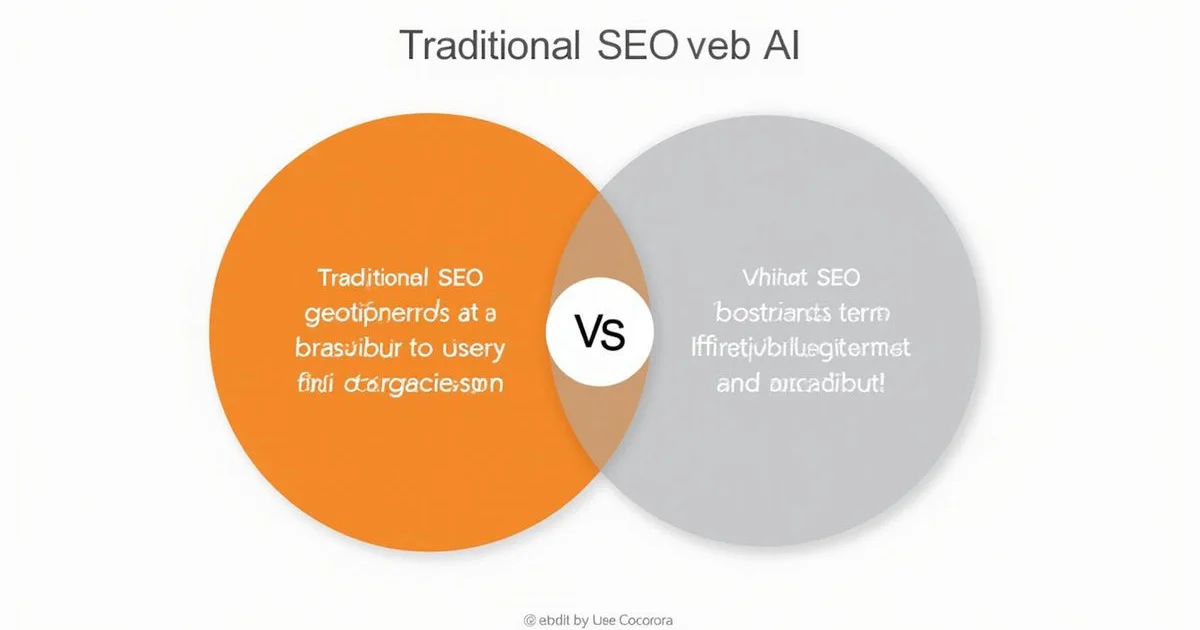
We have all noticed the sudden drop in traditional organic clicks across our marketing dashboards this year. The framing of traditional seo vs ai search optimization sets up a false choice, especially when Google’s AI Overviews now appear on up to 60% of Malaysian commercial queries. AEO and GEO are not replacements for SEO.
Our experience shows they are extensions handling the exact spaces where AI now generates direct answers. Treating them as competing disciplines leads to wasted budget on either side. Treating them as complementary produces durable visibility across all search channels.
We built this guide to explain where the two disciplines overlap and where they diverge. You will learn how to plan a combined strategy that future-proofs your digital footprint.
A unified approach easily adapts to any seo strategy 2026 demands.
Where the two completely overlap
We tell clients that roughly 70% to 80% of the work for traditional search and AI optimization remains identical. Technical health, high-quality content, and strong authority signals serve as the foundation for both channels. Recent data shows 52% of sources cited in Google AI Overviews already rank in the top 10 search results.
Our agency prioritises these shared fundamentals before attempting advanced tactics. A site failing technical best practices fails Answer Engine Optimization equally. AI engines crawl your site through the exact same infrastructure traditional algorithms use.
We focus on these core overlapping pillars to build visibility:
- Technical foundations. Crawl efficiency, Core Web Vitals, and mobile usability are non-negotiable. Malaysia boasts a 90% smartphone penetration rate, making mobile-first indexing a strict requirement for visibility.
- Content quality. Original, expert content outperforms generic fluff. AI-generated spam underperforms in both channels.
- Authority signals. Backlinks from authoritative domains and brand mentions build E-E-A-T. AI engines lean heavily on these identical authority signals.
- Schema markup. Article, Product, and FAQ coding help both traditional rich results and AI extraction.
- Topical clusters. Pillar content connected to supporting guides works perfectly. Both channels reward deep topical authority.
- Internal linking. A clean architecture distributes authority and signals topic relationships.
Good SEO work means you have already completed a large portion of the AEO puzzle. The structural groundwork is completely interchangeable. Our team ensures these basics are flawless before moving forward.
Where they diverge
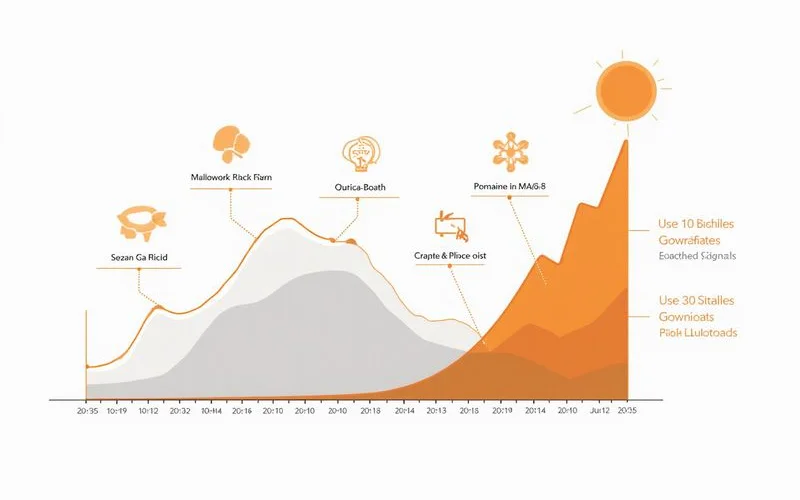
This fraction is where the seo vs aeo debate has its own distinct playbook. While traditional systems rank links, AI search extracts exact answers from highly structured entities. We see the real divergence in the remaining 20% to 30% of the workload.
Platforms like Perplexity now hold over 5% of the AI chatbot market share in Malaysia. These new engines require specialized formatting to understand your content. Our tracking data reveals a massive migration in user behaviour across the region.
Specialized formatting ensures search engines can extract your facts cleanly. Ignoring these structural differences results in lost citations. We adapt to these specific areas of divergence to maintain traffic:
- Content structure for direct extraction. AEO rewards concise direct answers at the start of each section. Traditional algorithms do not penalise longer build-ups, but AI engines prefer punchy facts they can extract cleanly.
- Question-shaped headings. A heading like “How long does SEO take?” works better for AEO than “SEO Timelines”. Traditional systems reward both, but answer engines clearly prefer the question format.
- Entity authority over keyword authority. Traditional tactics weight keyword usage heavily. AEO weights entity clarity, requiring you to clearly identify who you are and where you operate using sameAs links and Wikipedia presence.
- Conversational long-tail content. AI engines absorb natural-language queries that legacy campaigns often ignore due to low search volume. Writing for bilingual searches, like combining Bahasa Malaysia informational queries with English transactional intent, captures highly qualified citations.
- Multi-source citation patterns. AEO citation likelihood increases when multiple authoritative sites reference your brand for the same topic.
- Direct answer monitoring. Traditional campaigns measure rankings, while AEO measures whether AI engines cite your content. Tools like Rankpage’s AIRM system automate this specialized AI reputation management.
Where they conflict slightly
When comparing traditional vs ai search, a few areas exist where older ranking advice directly conflicts with modern engine preferences. Long-form rambling and hidden text actively harm your chances of being cited by an AI summary. We often audit sites burdened by outdated tactics that bury the actual answer.
Since AI Overviews occupy a massive portion of mobile screens, hiding facts behind clicks is detrimental. Organic click-through rates have already dropped by up to 30% for many commercial queries. Our modern approach resolves these conflicts by focusing on clarity:
- Long-form vs concise answers. Old advice favoured 2,000-word articles to rank for everything. AEO prefers focused articles that answer specific questions directly. Long-form is fine, but every section needs a concise answer at the start.
- Stuffing keywords vs entity clarity. Old practices over-emphasised keyword density. Answer engines do not care about density, focusing instead on whether the page clearly identifies the concepts involved.
- Hidden FAQ content vs visible structured FAQs. Some older patterns hid FAQ content behind toggles to keep pages visually clean. Visible, well-structured FAQs backed by schema extract far more reliably.
How to plan a combined strategy
Malaysian businesses cannot optimize for AI if search crawlers cannot read their site. This technical baseline is absolutely non-negotiable. We believe the right combined strategy builds AEO on top of a flawless foundation.
ChatGPT usage in Malaysia spiked by 330% recently, driven by accessible options like the RM38.99 Go plan. Real people are asking real questions about local businesses. We build frameworks that address the rapid local adoption of these conversational tools.
Baseline. Strong traditional foundations form the starting point. This includes technical health, content quality, authority signals, and schema markup. AEO layer. Advanced tactics sit on top of the baseline. You should restructure top revenue pages with direct-answer paragraphs and question-shaped H2s. Implementing FAQ schema, building Organization markup, and utilizing AI visibility tools like BuildSOM are critical steps. We carefully track performance across both landscapes to measure success.
Measurement dictates that you must track traditional metrics alongside AI citation appearances. The mix will shift closer to an even split by 2028 as generative tools capture more research queries. Our balanced tracking setup ensures no blind spots.
Budget allocation
A typical RM 3,500 to RM 4,500 per month Standard tier retainer splits effort heavily toward traditional foundations. This base requirement ensures your website remains technically sound and authoritative. We recommend a budget structure that prioritises maintaining core site health.
This distribution shifts dynamically as AI search captures more top-of-funnel queries. Premium tiers can afford a higher AI-specific allocation from day one. We allocate the remaining resources toward specific Answer Engine Optimization tasks.
This clear roadmap guarantees nothing falls through the cracks. The breakdown below details exact resource distribution. Our current monthly schedule provides a transparent view of execution:
| Allocation | Focus Area | Key Activities |
|---|---|---|
| 70% | Traditional Foundations | Technical audits, content creation, link building, on-page updates |
| 20% | AI Optimization Layer | Structure updates, schema coding, entity building, citation monitoring |
| 10% | Strategy & Reporting | Cross-channel analytics, AI visibility tracking, client consultation |
Why this matters now
The early-mover advantage in AI search provides a significant lead. Brands cited in generative answers today build algorithmic trust that compounds over the next several years. We emphasise that companies waiting until this shift is obvious will lose critical mindshare.
McKinsey reports that only 16% of brands systematically track their performance in AI-powered search, leaving huge blind spots. Competitors ignoring this data will fall behind rapidly. We see a massive gap in how companies handle this transition.
The combined approach is faster to execute and cheaper than running two parallel engagements. Securing your traditional seo vs ai search optimization strategy today ensures your visibility for tomorrow. Our AI Search Optimization service integrates directly with standard retainers rather than running as a separate workstream.