
SEO Guide
Schema Markup and Structured Data for AI Visibility
How schema markup works, the schema types that matter most in 2026, and how AI engines use structured data to extract answers.
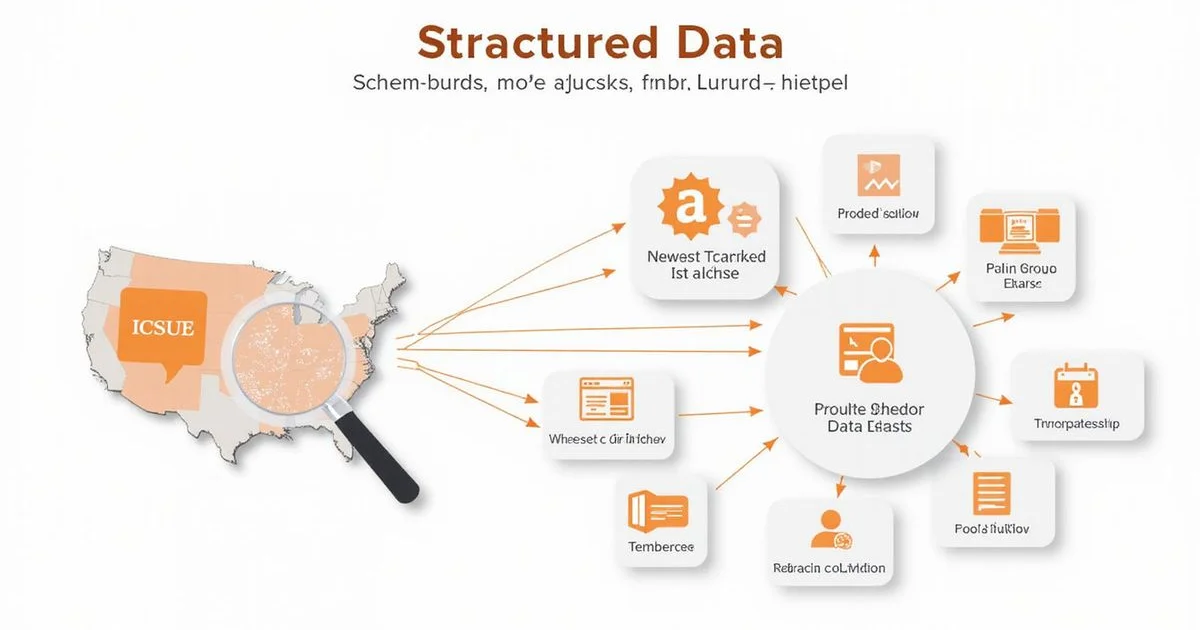
We often see marketing teams treat their schema markup structured data as an optional technical checkbox rather than a core driver of visibility. That approach worked a few years ago. Today, search engines have evolved into complex answer engines.
Unstructured text simply leaves these AI models guessing.
Our data at Adam SEO, where we have focused on tangible business outcomes since Adam Yong founded the agency in 2011, indicates that Google’s AI Overviews rely heavily on this code. This specific guide explores exactly what schema is and how it functions.
We will cover the most critical formats for 2026 and outline practical implementation steps for your site.
What schema markup actually is
We define schema markup as a standardized vocabulary of tags added to your website’s HTML that tells search engines exactly what your content means. This structured data translates human-readable text into a machine-readable format, primarily using JSON-LD code.
This translation process eliminates ambiguity for generative AI models. A standard product page might look like this to a human browser:
<h1>Sony WH-1000XM5 Wireless Headphones</h1>
<p>RM 1,899, In stock</p>
<p>Rated 4.7 out of 5 based on 234 reviews</p>
Our technical teams always apply the JSON-LD schema layer to communicate this exact information to search engines. The JSON-LD format is recommended by Google’s documentation for optimal AI ingestion.
{
  "@context": "https://schema.org",
  "@type": "Product",
  "name": "Sony WH-1000XM5 Wireless Headphones",
  "offers": {
    "@type": "Offer",
    "price": "1899",
    "priceCurrency": "MYR",
    "availability": "InStock"
  },
  "aggregateRating": {
    "@type": "AggregateRating",
    "ratingValue": "4.7",
    "reviewCount": "234"
  }
}
Both versions present identical facts. Search systems, like the Gemini 3.5 Flash model powering Google’s AI Mode in Malaysia, extract the price and stock status instantly from the JSON-LD without scanning paragraph text.
The schema types that matter most
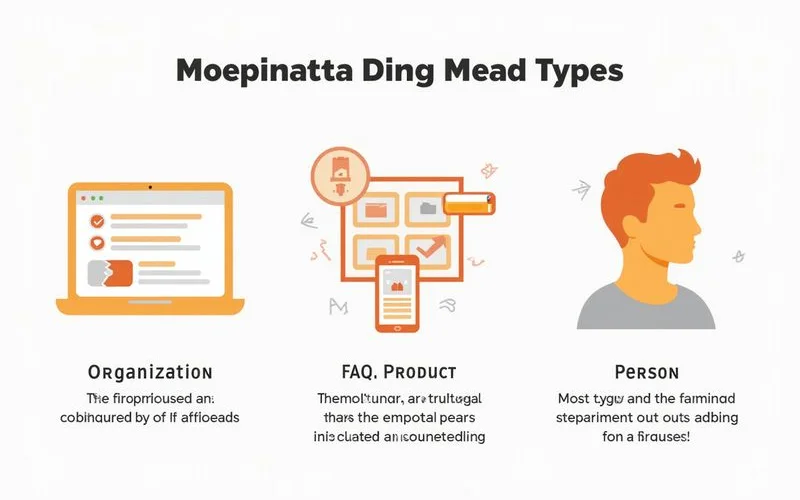
For most businesses operating in 2026, six specific formats of schema for ai search matter most for securing visibility in automated summaries. These core formats help search algorithms categorize everything from your company headquarters in Kuala Lumpur to your specific e-commerce products.
We prioritize a select few from the hundreds of available Schema.org vocabularies. Targeting the right categories prevents technical bloat and focuses on what actually drives traffic.
Organization and LocalBusiness
Organization schema acts as the entity backbone for your entire site. This code identifies your business name, official logo, and verified social profiles. LocalBusiness schema extends this for physical storefronts or regional service areas.
Our Local SEO experts consider this crucial for brick-and-mortar stores in Malaysia. This data feeds directly into local map packs, supplying opening hours and geo-coordinates. You can learn more about our approach in our Local SEO guide.
Article and FAQ
Article schema contextualizes editorial content, blog posts, and industry guides. This markup highlights the headline, publishing dates, and author information. AI engines require this publishing context to evaluate information freshness.
FAQ schema applies to any page featuring a direct question-and-answer section. Google recently updated its visibility rules, meaning FAQ rich snippets appear less often in traditional results. Answer engines still aggressively extract this structured data to populate their AI summaries.
Product and HowTo
Product schema is non-negotiable for e-commerce platforms competing against giants like Shopee or Lazada. This vocabulary includes specific nodes for pricing, aggregate ratings, and stock availability. These structured details enable the rich results that display star ratings directly in the search feed.
HowTo schema structures tutorial content into discrete, logical steps. Each instruction becomes an isolated node. Generative AI models can then extract individual steps to answer specific user queries.
Person
Person schema attaches professional credentials to author bylines and team profiles. This code links an individual’s name to their job title and employment history.
We use this markup extensively to strengthen E-E-A-T signals. AI systems need these verifiable credentials to trust and cite your content.
How AI engines use schema
AI engines use schema markup to explicitly identify entities, extract hard facts, and establish citation confidence. This structured data acts as a direct data feed, bypassing the need for complex natural language processing.
Search algorithms rely on three primary mechanisms to process this information in 2026.
| AI Mechanism | How It Works | Business Impact |
|---|---|---|
| Entity Identification | Uses @type and sameAs tags to map relationships. | Prevents brand confusion in AI responses. |
| Direct Fact Extraction | Pulls pricing, hours, and ratings instantly. | Secures placement in AI-generated answers. |
| Citation Confidence | Validates content against known entity data. | Increases likelihood of being cited as a source. |
Our testing reveals that systems like Google’s Gemini prioritize clarity over keyword density. When an AI generates a summary about the best enterprise software in Kuala Lumpur, it actively scans for these exact entity signals.
Pages utilizing clean, validated schema receive citations more frequently than unstructured competitors. This process creates a compounding visibility loop. Higher citation rates build domain authority, which subsequently leads to even more inclusion in future AI overviews.

How to implement schema correctly
You must implement schema correctly by placing valid JSON-LD code into your page headers and matching the markup exactly to your visible content. Faulty or deceptive structured data often triggers manual penalties from search engines.
We follow a strict set of protocols to ensure flawless execution.
Formatting and Content Matching
Use the JSON-LD format exclusively for all new integrations. Place this script block cleanly within the <head> or <body> of your page. Google parses this specific format far more reliably than older protocols like Microdata or RDFa.
The code must accurately reflect the visible text on the page. Declaring a five-star review in your schema when no reviews exist on the actual interface violates fundamental guidelines.
Specificity and Entity Connection
Select the most specific category available within the Schema.org library. A dental clinic in Penang should use the Dentist tag rather than the generic LocalBusiness label. Specificity improves both traditional structured data seo signals and AI categorization.
Our developers connect multiple schema blocks across different pages using stable @id values. Formatting an ID like https://yoursite.com.my/#organization ensures that all references point back to one unified entity.
Verification and Validation
Include the sameAs property to verify your digital footprint. Link your main organization profile to established platforms like LinkedIn, Wikipedia, or verified local directories.
Validate every single line of code before publishing. Run your URLs through Google’s Rich Results Test and the official Schema Markup Validator. Deploying broken markup is often worse than having no markup at all.
Platform implementation differences
Different Content Management Systems handle structured data generation with varying levels of quality and automation. Your technical approach will depend entirely on whether you use a hosted platform like Shopify or a custom build.
We recommend auditing your system’s default output before adding third-party plugins.
| Platform | Default Capabilities | 2026 SEO Recommendations |
|---|---|---|
| Shopify | Auto-generates basic Product and Organization tags. | Themes often miss Review and FAQ nodes. Manual audits are essential for Malaysian e-commerce stores. |
| WooCommerce | Relies heavily on SEO plugins (Yoast, Rank Math). | Requires premium add-ons for comprehensive coverage. Verify compatibility with local payment gateways. |
| Custom Builds (Astro) | Requires full manual implementation in templates. | Offers the highest quality control. Ideal for complex enterprise architectures. |
| WordPress | Standard plugins handle Article data well. | Custom fields or specialized tools are necessary for detailed FAQ and HowTo formatting. |
Many local Malaysian platforms and custom payment integrations, such as SenangPay or Billplz, occasionally strip out automated schema during checkout routing. You must verify that your chosen theme actually renders the code on the live front-end.
Common schema mistakes
Common schema mistakes usually involve mismatched content, broken entity references, or the inclusion of fake data. These errors confuse search crawlers and actively damage your domain’s credibility.
Our audits consistently uncover the same recurring technical faults. Avoiding these pitfalls will keep your site in good standing.
- Declaring fake reviews: Never generate review markup for ratings you do not possess. This specific violation frequently triggers manual penalties.
- Duplicating entity references: Schema across different pages must reference the identical
@idconsistently. Broken or looping canonicals destroy entity authority. - Hiding FAQ content: The text in your FAQ schema must appear visibly to the user on the page. Invisible data is ignored or penalized.
- Neglecting required properties: Skipping mandatory fields, such as the
nameordescriptiontags, renders the entire block invalid. - Ignoring author drift: Team members leave or change titles. Outdated Person schema weakens your E-E-A-T signals.
Where to start
You should start your schema implementation by securing your site-wide organization data before moving on to page-specific markup. A phased approach ensures your foundational entity signals are recognized first.
We deploy structured data using a specific, prioritized sequence for maximum impact.
- Organization and LocalBusiness: Establish this site-wide entity backbone first.
- Article Data: Apply this to all editorial content, blogs, and industry guides.
- FAQ Markup: Target specific pages where common user questions are answered directly.
- Product Details: Integrate this heavily if you operate an e-commerce storefront.
- Person Profiles: Link your team bylines to authoritative social credentials.
- HowTo Nodes: Structure your complex tutorials and process guides.
The Technical SEO and AI Search Optimization services we provide include comprehensive schema audits and implementation. This initial setup usually requires 8 to 15 hours for a standard 50-page site, followed by ongoing maintenance as your content inventory expands.
Reach out to our team today to schedule an initial technical review.