
SEO Guide
What Is SEO and How Does It Actually Work?
A plain-language explanation of SEO, the three core pillars, and how search intent maps to revenue for Malaysian businesses.

You know how frustrating it is to invest in a website that nobody can find online.
We see this problem constantly across the Malaysian market. That is exactly why Adam SEO was founded by veteran Adam Yong in 2011 on a very clear premise. Search rankings alone are completely meaningless without tangible business results.
If you find yourself asking what is SEO and how does it work, the answer is straightforward. Search Engine Optimization (SEO) is the practical work that helps your site show up when a customer types a query into Google, or asks AI tools like ChatGPT.
The key takeaway here is the focus on commercial impact. Done properly, this process turns search into a predictable channel for qualified leads.
Poor execution just produces impressive traffic reports that leave your bank account unchanged.
Our guide will break down the three main pillars of search and explain how they fit together — including the technical SEO foundation most sites get wrong. Let’s look at the data, what it actually tells us, and walk through practical ways to map search intent directly to revenue.
The three pillars of SEO
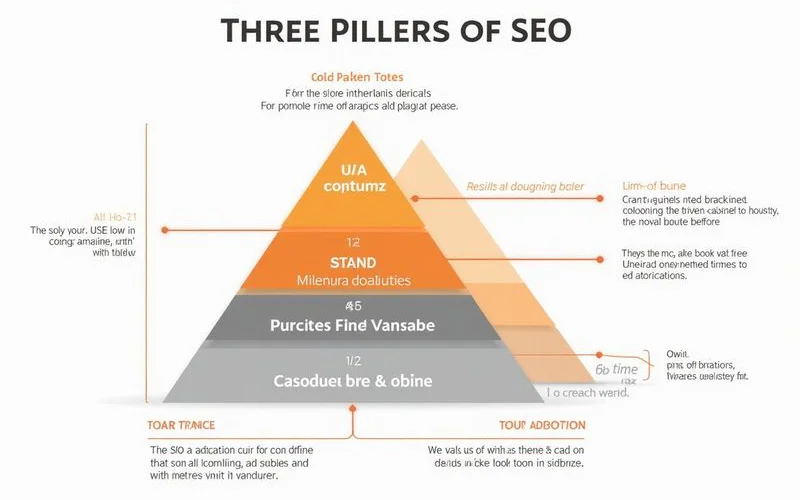
Understanding SEO basics means breaking the discipline down into three distinct pillars that all need to work together for your results to compound.
We always remind clients that Google holds 92.71 percent of the search engine market share in Malaysia as of April 2026. This means your strategy must heavily prioritize Google’s specific algorithms. If you ignore how these elements interact, you will struggle to capture any meaningful traffic.
On-page SEO: Answering the User
On-page SEO covers everything on the page itself, including titles, headings, content quality, and internal links. Most ranking problems on small business sites are actually on-page problems disguised as competitive ones. Write the page that best answers the query, and you have completed more than 80 percent of the work.
Our data shows that a clear, helpful answer is exactly what searchers want. You must clearly resolve the problem the searcher came to find.
Off-page SEO: Building Digital Trust
Off-page SEO focuses mostly on earning trust from other credible websites. Search engines treat it as a strong vote of confidence when authoritative sites link to yours.
We focus on white-hat link building through original research, useful guides, digital PR, and genuine relationships. This method is slow but compounds beautifully over the years. The shortcut sellers offering 1,000 backlinks for RM200 are simply buying penalties instead of true authority.
Technical SEO: The Foundation
Technical SEO forms the critical infrastructure layer of your website. Can Google easily crawl your site, and are your pages loading quickly on mobile devices?
Our technical audits frequently reveal that ranking problems on larger sites trace back to just four or five hidden technical issues. For example, Google recently updated its Core Web Vitals to prioritize Interaction to Next Paint (INP), requiring a response time of under 200 milliseconds. Pages failing this performance metric are silently capping their growth.
You must ensure your schema is clean and that you are not accidentally blocking the URLs that should rank. Here are the technical baseline checks to monitor:
- Mobile responsiveness: Pages must load perfectly on phones and tablets.
- Core Web Vitals: Keep your INP score below 200 milliseconds for smooth interactivity.
- Crawlability: Ensure search bots can easily read your site architecture.
- Clean schema: Use structured data to explain your content directly to search engines.
How search intent maps to revenue
The biggest mistake most businesses make is chasing keywords purely by search volume. Volume without purchase intent is simply noise that wastes resources.
We regularly see companies fight for broad terms like “SEO Malaysia” when they should target specific needs. A long-tail phrase like “best e-commerce SEO agency Kuala Lumpur for Shopify store owners” has lower volume, but it comes from a buyer ready to spend money. Recent 2026 Style Factory data shows that roughly 59 percent of shoppers always research products online before making a purchase.
Our strategy groups online searches into three distinct intent buckets to prioritize revenue.
| Intent Type | Example Query | Business Value & Action |
|---|---|---|
| Informational | ”what is SEO” or “how does Google rank pages” | The buyer is learning. Useful for building trust, but does not directly drive sales. |
| Commercial Investigation | ”best SEO agency Kuala Lumpur” | The buyer is comparing options. Top rankings here move your sales pipeline significantly. |
| Transactional | ”hire SEO consultant KL” or “SEO agency near me” | The buyer is ready to act. Lower volume but high value. These queries pay for the campaign. |
A revenue-focused strategy spends the majority of its budget on commercial and transactional terms. Informational content is then used strategically to support and link to those high-value commercial pages.
We consider this the exact opposite of what most standard agency content calendars do. Targeting intent ensures you capture customers at the precise moment they need your solution.
Why SEO is an owned asset
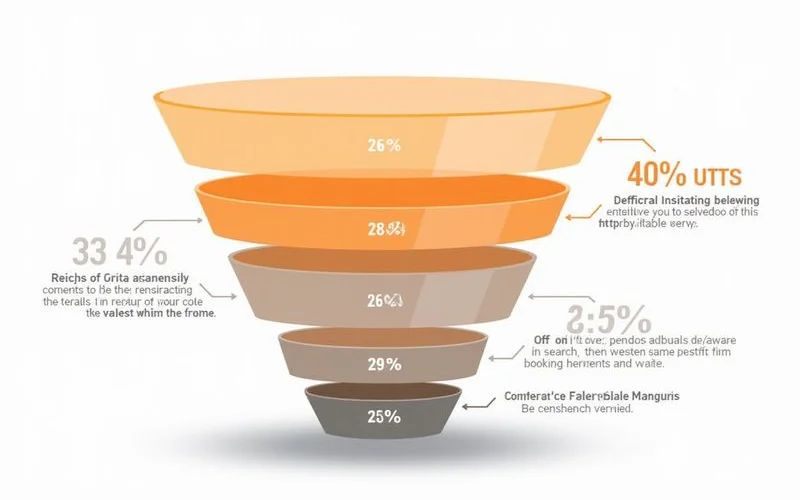
Once your website ranks for a commercial query naturally, you stop paying for every single visitor click. A well-optimized page that earns its top position can keep delivering qualified traffic for years with only modest maintenance.
Understanding how SEO works economically involves looking at long-term customer acquisition costs.
We view this as the core economic argument for organic search over paid advertising campaigns. The cost per lead trends downward as the digital asset matures, while paid ads stay at roughly the same cost forever. November 2025 industry data from Rankpage shows that Google Ads Cost Per Click (CPC) in Malaysia for sectors like property can easily range from RM3.00 to RM6.00 per click.
A steady stream of organic traffic protects your margins from those rising advertising costs. Let’s compare the financial impact:
- Paid Ads (PPC): Instant traffic, but costs disappear the moment you stop funding the campaign entirely.
- Organic Search: Takes time to build, but delivers a compounding return on investment over months and years.
- Cost Efficiency: Organic clicks do not cost RM5.00 each, making customer acquisition significantly cheaper long-term.
Our framework spends real, concentrated effort on the seemingly boring parts of website management. This includes proper site architecture, strategic internal linking, clean schema markup, and rigorous technical hygiene.
These foundational elements are the things that make a web page truly durable. A single rushed content sprint might rank for a month, but it will quickly disappear without that structural support.
What changes if you actually want results
If you want optimization to move actual revenue rather than just generate pretty reports, your approach must change. Effective SEO for business requires a strategy rooted in patience and precision.
We require three specific elements to ensure the work delivers a strong return on investment:
- A clear query map: Identify the specific, high-intent keywords that actually drive sales for your local or regional business.
- Technical execution: Implement the on-page and backend technical work that allows those pages to rank cleanly.
- Strategic patience: Give the digital asset six to twelve months to compound and gain Google’s full trust.
Anyone promising you faster, guaranteed results overnight is selling severe risk, not professional skill.
Our team built the 4-Stage, 9-Step SEO Framework around exactly this reality. If you want to see how it would apply to your specific Malaysian business, the discovery audit takes just a couple of days.
This audit tells you honestly whether organic search is the right marketing channel for your goals right now. If it is not a good fit, we will tell you that directly so you can make the best decision for your budget.